
In-Office Anesthesia and Texas Rules: What Austin Dental Practices Need to Know
When you bring anesthesia into your practice, two regulatory frameworks come into play, and understanding how they fit together helps you choose a partner that keeps your practice on solid ground. This is a plain-language overview for dentists and practice managers in Austin and across Central Texas. It is general information, not legal advice. Confirm specifics for your situation with your own counsel and the relevant boards.
Two boards, two tracks
Dentists in Texas are licensed and regulated by the Texas State Board of Dental Examiners (TSBDE), which issues sedation and anesthesia permits to dentists by level. [1] Physicians, including physician anesthesiologists, are licensed and regulated by the Texas Medical Board (TMB), and a physician who provides anesthesia in an office setting registers with the TMB under its office-based anesthesia rules. [2]
When a physician anesthesiologist provides the anesthesia in your office, the anesthesia is being delivered by a separately licensed medical professional operating under TMB rules. That is a meaningful distinction, and it has consequences worth understanding.
The part most practices do not think about until it matters
Anesthesia in a dental office is governed by standards, and those standards exist because anesthesia is the part of the visit where the margin is thinnest. When something goes wrong during a case, the question that gets asked afterward is whether the anesthesia met the standard of care that applies. If it did not, the practice where it happened is exposed.
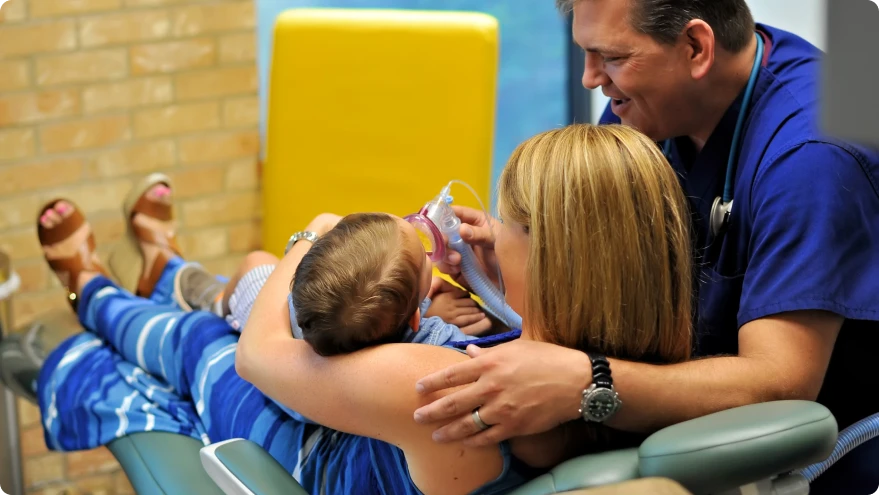
This is the quiet reason the provider you choose matters as much as it does. A model where a physician anesthesiologist personally manages the case under their own TMB registration, with the required equipment and monitoring and a clinical care team present, is a model built to meet that standard every time, not one that hopes the question never gets asked.
What the physician anesthesiologist model means in practice
A physician anesthesiologist who comes into your office brings their own TMB office-based anesthesia registration and operates under Chapter 173 standards for office-based anesthesia. [2] TSBDE rules also recognize that a physician anesthesiologist licensed by the Texas Medical Board may provide deep sedation or general anesthesia in the dental setting. [3]
For a referring practice, the practical effect is that the anesthesia is managed by a medical professional whose own licensure and registration cover that anesthesia, supported by a clinical care team, rather than resting on the dentist's own permit and attention alone.
Physician-led anesthesia and the Texas framework
Texas has not opted out of the federal physician supervision requirement for nurse anesthetists, which means physician involvement remains part of the anesthesia framework in Texas care settings. [4] A model where a physician anesthesiologist personally manages each case sits squarely inside that physician-led framework.
What to confirm before you partner
- That the anesthesia provider holds current TMB office-based anesthesia registration
- What level of anesthesia they are registered and equipped to provide
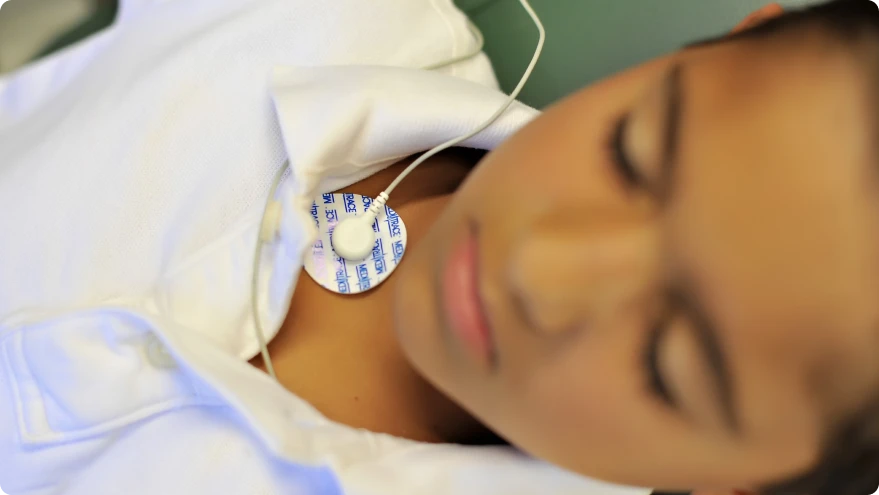
- That they arrive with the equipment, monitoring, and emergency supplies the rules require
- How clearance, consults, and documentation are handled before the day of the case
- How responsibilities are divided between your practice and the anesthesia provider
How Texan Anesthesiology Associates fits
Dr. David Williams, MD, is a physician anesthesiologist who personally manages each case, supported by a clinical care team of nurses and medical assistants. The team handles the pre-procedure medical workup, clearance, consults, and records before the day of the case, and arrives with the full setup that Texas office-based anesthesia rules and ASA monitoring standards require.
FOOTNOTES: [1] Texas State Board of Dental Examiners, Sedation/Anesthesia Permits, 22 Tex. Admin. Code Ch. 110. tsbde.texas.gov [2] Texas Medical Board, Office-Based Anesthesia, Board Rules Chapter 173. tmb.texas.gov [3] 22 Tex. Admin. Code Ch. 110 references a physician anesthesiologist licensed by the Texas Medical Board as authorized to provide deep sedation or general anesthesia in the dental setting. [NEEDS CONFIRMATION: confirm we want to cite this specific provision, and confirm the exact rule number before publish.] [4] Texas has not opted out of the federal Medicare physician supervision requirement for CRNAs (Texas Attorney General Opinion KP-0353; TMB correspondence). [Framed as general physician-led context, not a claim about any specific provider.]
Talk to Dr. Williams about how anesthesia would be handled in your practice. Call 512-596-1775 or email info@texanaa.com. INTERNAL LINKS: Safety & TMB Compliance, Our Process, Adult Dental Anesthesia, About Dr. Williams