Dental Anesthesia for Children With Autism and Special Needs in Austin
For a child with autism, a developmental difference, or a medically complex condition, a routine dental visit can be difficult or impossible. Dental anesthesia allows these children to receive the care they need comfortably and safely, in a single visit, without the distress of trying to complete treatment they cannot tolerate awake. This guide explains how it works and what to expect.
It is written for parents in Austin and across Central Texas, including Bee Cave, Lakeway, Cedar Park, Dripping Springs, Round Rock, and Georgetown.
Why anesthesia is often the right choice for these children
Children with autism often experience heightened sensory sensitivity, communication differences, and anxiety in unfamiliar settings. Children with developmental, behavioral, or medically complex conditions may not be able to follow instructions like "hold still" or "open wide" for the length of time a procedure requires. Anesthesia removes that barrier so the dental work can be done thoroughly and in one visit, rather than across many difficult appointments.
Who is in the room
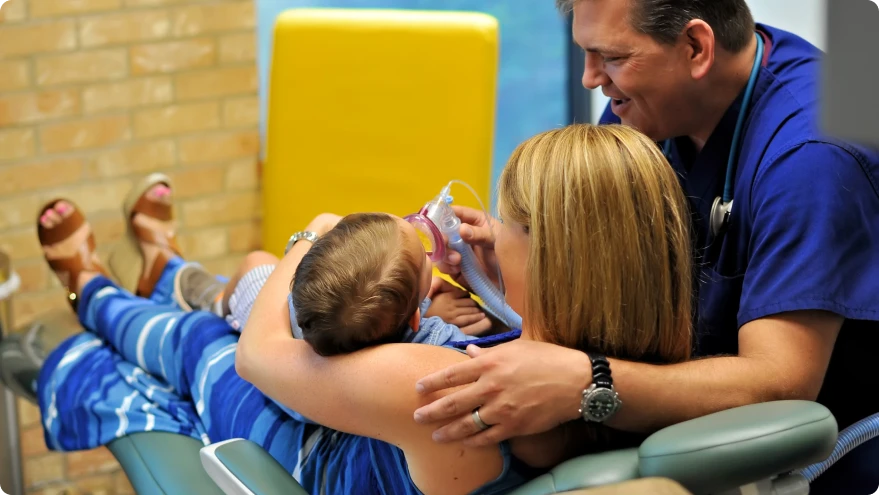
Your child's dentist performs the dental work. A physician anesthesiologist manages the anesthesia and monitors your child throughout, supported by a clinical care team of nurses and medical assistants. For a child with complex needs, having a physician focused solely on the anesthesia while the dentist focuses on the treatment is part of what makes the visit safe and calm.
As with any medical procedure, anesthesia carries some risk. That risk is small, and a careful pre-procedure plan is a large part of what keeps it that way.
What makes anesthesia for a special-needs child different
Two things matter more here than in a typical case.
The first is the medical history. A child with a syndromic, cardiac, respiratory, or developmental condition needs an anesthesia plan built around that history. At Texan Anesthesiology Associates, the clinical care team reviews the child's complete history before the day of the procedure, gathers records and consults, and when needed, Dr. Williams coordinates directly with the child's other physicians.
The second is the experience of the provider. Caring for children with complex needs is not an occasional event for Dr. Williams. He routinely cares for children with behavioral, developmental, and medically complex needs, and the plan is built around the individual child.
How to prepare a child with sensory or communication needs
Preparation reduces stress for the whole family. The team will give you exact instructions during the pre-procedure call. General guidance that helps many families:
- Tell the team about your child's specific sensory sensitivities, triggers, and what calms them, so the approach can be tailored.
- Bring a comfort item: a favorite stuffed toy, blanket, pacifier, headphones, or a preferred cup for after the procedure.
- Schedule, when possible, around your child's best time of day.
- Follow the fasting instructions carefully. The team will give you the exact timing.
- Keep your own tone calm. Children often take their cues from their parents.
What to expect on the day
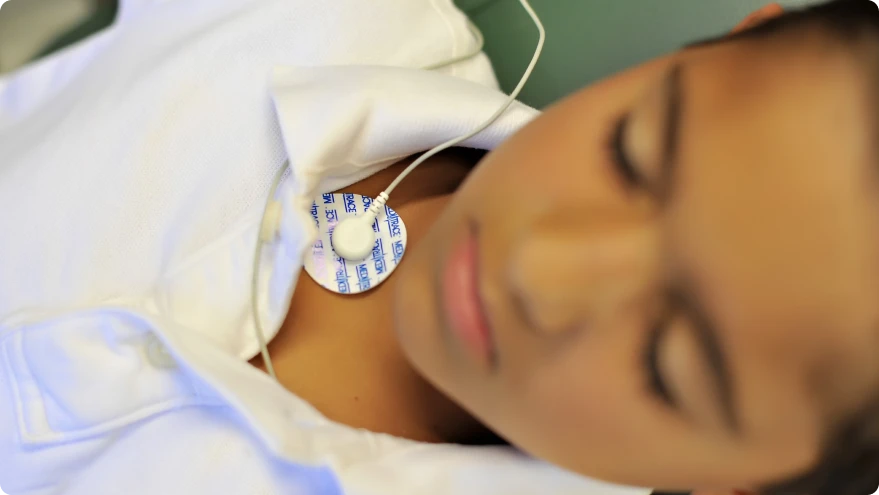
A physician anesthesiologist manages your child's anesthesia from start to finish, supported by a clinical care team, while your child's dentist completes the treatment. Your child is monitored throughout. Parents are brought into recovery as their child wakes up. Most children are ready to leave within about 30 minutes of the procedure ending, and fewer than 1% experience post-op nausea. Your child will likely be groggy and tired afterward, which is normal, and should be supervised by a responsible adult for several hours.