Choosing a Mobile Dental Anesthesia Provider in Austin: What to Look For
If your practice is evaluating an in-office anesthesia partner, the choice comes down to who is managing the anesthesia, what they bring to your operatory, and how they handle the cases that carry the most risk. This is a practical framework for general dentists, pediatric dentists, oral surgeons, periodontists, and practice managers across Austin and Central Texas, including Bee Cave, Lakeway, Cedar Park, Round Rock, and Georgetown.
1. Who is managing the anesthesia
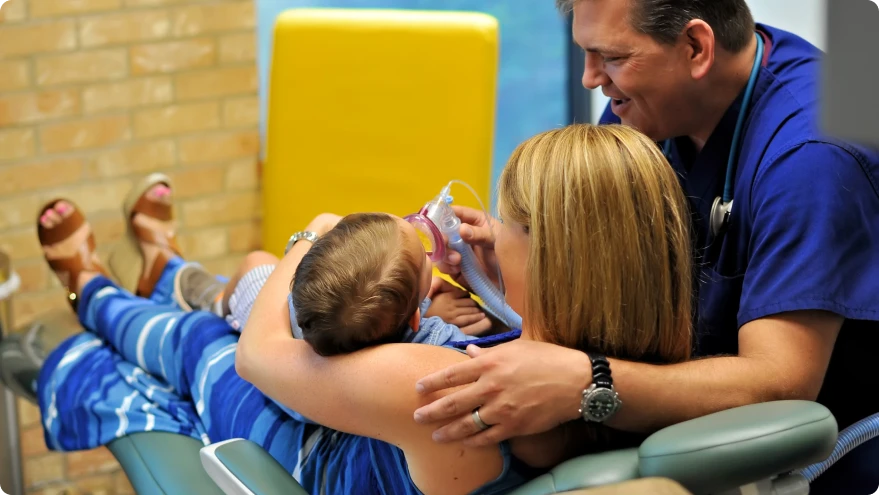
Anesthesia providers who come into dental offices do not all have the same background, and the difference is worth understanding before you choose a partner. A physician anesthesiologist who also carries experience in cardiology, critical care, and airway management brings a depth that matters most on your complex and pediatric cases.
At Texan Anesthesiology Associates, Dr. David Williams, MD, is the physician on every case, supported by a clinical care team of nurses and medical assistants, rather than a model that relies on a single provider working alone.
2. What they bring to your operatory
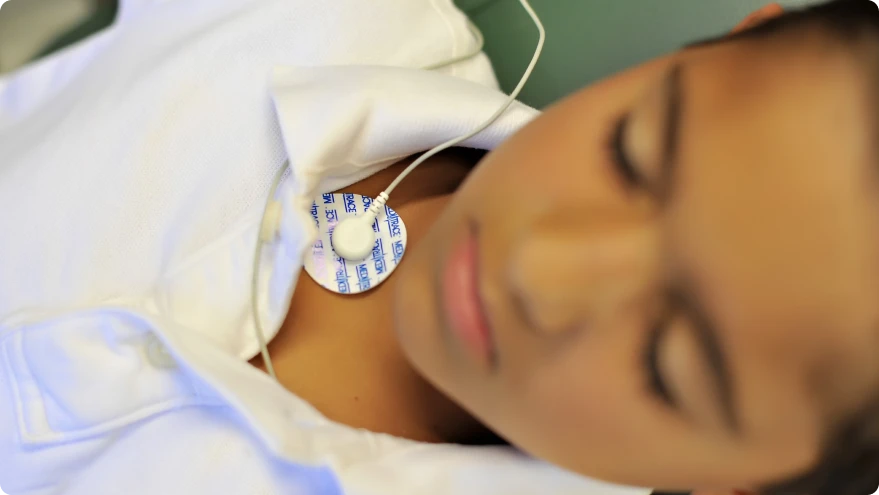
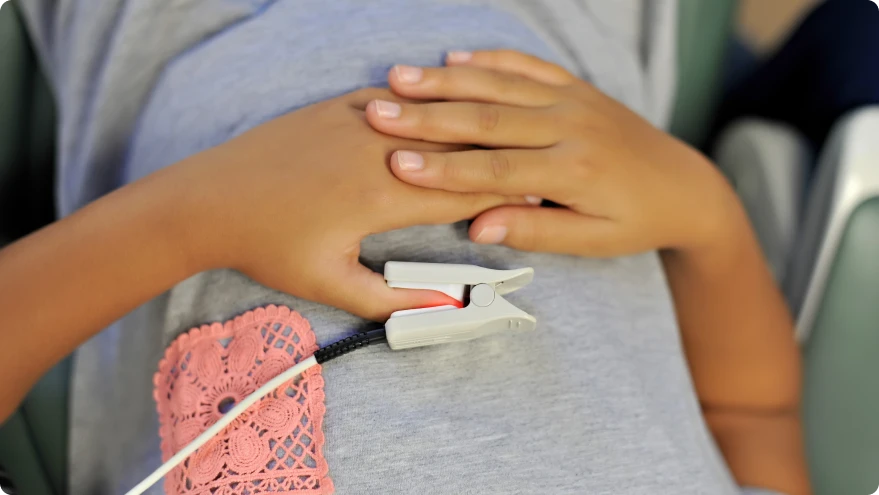
The partner should arrive ready to run an anesthesia case to the standard required of an outpatient setting. That means a full anesthesia machine, a complete monitoring suite, recovery monitors, anesthetic agents, and emergency supplies and medications. This is the setup that Texas office-based anesthesia rules and ASA monitoring standards require. Ask any prospective partner to walk you through exactly what they bring.
3. Who handles the medical workup
The pre-procedure medical workup is where a lot of risk is managed, and it should not land on your front desk. At Texan Anesthesiology Associates, the clinical care team handles the pre-procedure call, medical history, consults, records, and anesthesia clearance before the day of the case. For medically complex patients, Dr. Williams coordinates directly with the patient's other physicians when needed. Your front desk does not chase records.
4. How they handle complex cases
The real test of an anesthesia partner is the case other providers will not take. Ask how a prospective partner handles cardiac history, respiratory and airway concerns, advanced age, and patients who have failed previous sedation. A physician anesthesiologist with a cardiology and critical care background, supported by a clinical care team, is built for these cases.
5. The track record
Ask for the numbers. Across more than 13,000 in-office anesthesia cases, Dr. Williams has a 100% nasal intubation success rate and has never had to convert a nasal intubation to an oral one. Post-op nausea runs under 1%, and typical discharge is around 30 minutes. Numbers like these are a fair thing to ask any partner for.
A short checklist
- Is a physician anesthesiologist managing the case?
- Is a clinical care team present, or is one provider working alone?
- What equipment arrives with them?
- Who handles the pre-procedure medical workup and clearance?
- How do they handle cardiac, respiratory, pediatric, and failed-sedation cases?
- What is their track record?
Talk to Dr. Williams directly about how a partnership with your practice would work. Call 512-596-1775 or email info@texanaa.com. INTERNAL LINKS: Adult Dental Anesthesia, Pediatric Dental Anesthesia, Our Process, Safety & TMB Compliance, About Dr. Williams